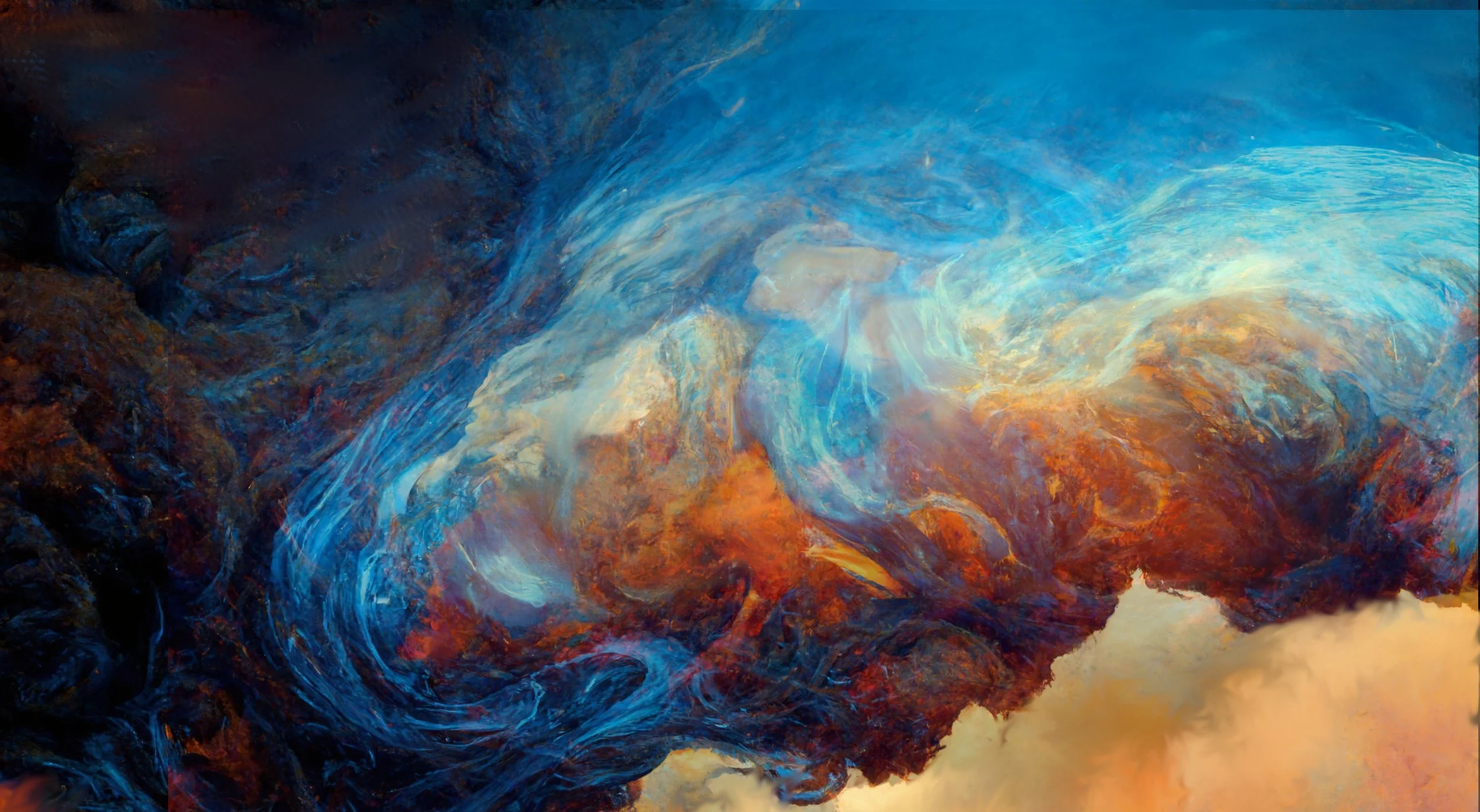
Get to know me and my creative process
For the past 13 years, I have been pursuing a professional career in painting, with international exhibitions in England, France, Norway, and South Africa. My work has been featured in prestigious establishments such as Bricklane Gallery, the Crypt, and Kings Cross St Pancras, among others. In addition to exhibiting my work, I have also made a name for myself as a live painter, performing at various venues across London. This has been an incredibly rewarding experience, allowing me to connect with audiences in a unique and immediate way. I am passionate about the medium of painting and am constantly exploring new ways to express myself through my art.
Mentoring young artists at Westminster University profoundly impacted my art practice. As a mentor, I was constantly exposed to fresh and innovative ideas from my students, which pushed me to explore new techniques and themes in my own work. Additionally, teaching and guiding others helped me to articulate and refine my own artistic vision, as I was forced to explain and demonstrate my ideas to my students. Through this process of mentoring, I was able to gain a deeper understanding of my own creative process and develop a stronger sense of purpose in my art practice. Overall, mentoring young artists at Westminster University was a mutually beneficial experience that helped me to grow as both an artist and a teacher.
I had the privilege of being the artistic face of a marketing campaign for Lenovo and Intel. As a creative professional, I was thrilled to have the opportunity to showcase my work on a global stage and to collaborate with two innovative and forward-thinking companies. Through this campaign, I was able to reach a wider audience and share my passion for art with people around the world. It was an exciting and fulfilling experience, and one that I will always cherish.
I once wrote ‘ If I had to explain my work I had failed as a visual artist. ’ I stand by this statement. My words are to be seen. My vocabulary is displayed in pallet knife, paintbrush and by my hands. I shall leave the interpretation to the viewer. For many visual artists, the work they create is a deeply personal expression of their innermost thoughts, emotions, and experiences - this sentiment is all the more true for me as my art is informed at its core by my atypical synaesthesia. Art becomes for me a form of communication that transcends language and speaks directly to the viewer's soul. As such, attempting to explain my work through words can be a daunting task, as it requires translating the ineffable into the tangible.
For some artists, the act of explaining their work can feel like a betrayal of the very essence of their art. It can feel as though they are reducing their work to mere words, compromising the purity and power of the visual image. They may feel that if they have to explain their work, then they have failed as visual artists.
This sentiment is not uncommon among artists, and it speaks to a profound respect for the power of visual language. However, it is important to remember that the act of explaining one's work can also be an opportunity for deeper reflection and understanding. It can help artists to better articulate their artistic vision, to connect with their audience, and inspire others with their message.
Ultimately, whether or not an artist chooses to explain their work is a personal decision, and there is no right or wrong answer. What matters most is that the work itself speaks to the viewer in a profound and meaningful way, transcending language and leaving a lasting impression on the soul.